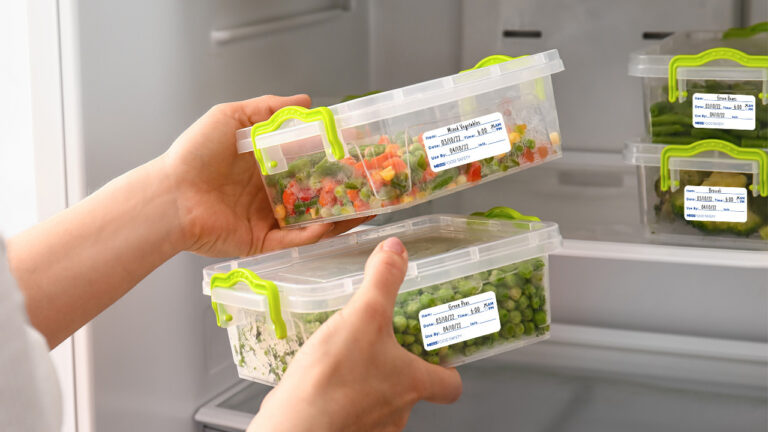
What Makes Freezer Labeling Different From Regular Food Storage Your freezer operates at 0°F or below. At that temperature, regular labels fail within days. The adhesive crystallizes, the ink smears when condensation forms, and you…
read moreWhat FIFO Means and Why Commercial Kitchens Swear By It First In, First Out. That’s the entire FIFO food rotation system for home kitchens distilled to four words. The oldest food gets used before newer…
read moreWhat Freezer Burn Actually Is and Why It Destroys Food Quality Freezer burn isn’t burn at all. It’s dehydration damage caused by ice crystals sublimating directly from solid to gas, leaving your food dried out…
read moreUnderstanding How Your Food Breathes Changes EverythingYour produce is still alive. Right now, that bag of spinach in your fridge is breathing, consuming oxygen and releasing carbon dioxide at a measurable rate of 15-20 mg…
read moreStep 1: Understand Your Crisper’s Humidity Control System Most people treat their crisper drawers like fancy vegetable bins. They’re actually precision humidity chambers designed to create specific moisture levels that either accelerate or slow produce…
read moreWhy Your Herbs Die Fast: The Three Enemies of Fresh StorageFresh herbs wilt faster than any other produce you buy. You’re not imagining it. The average bunch of basil loses 50% of its moisture in…
read moreUnderstanding the Hidden Water Cycle in Your KitchenEvery piece of produce in your kitchen is actively losing water right now. That crisp lettuce, those firm carrots, even the sturdy potatoes in your pantry are all…
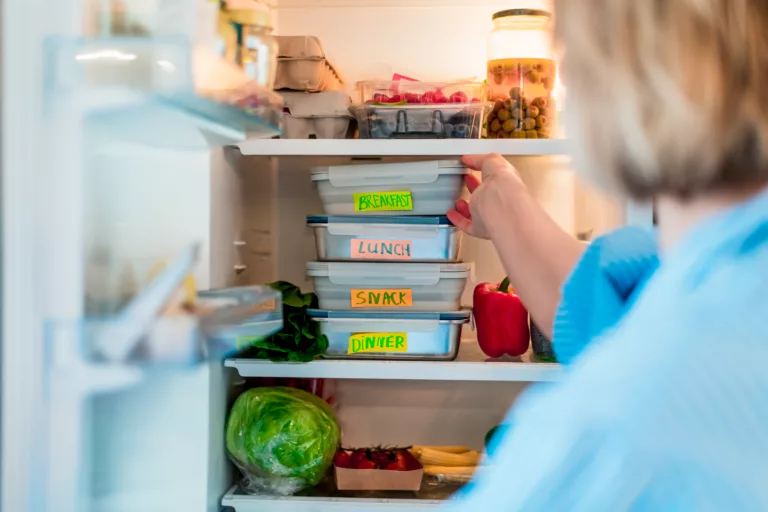
read moreProfessional kitchens waste less than 5% of their food. Home kitchens waste 40%. The difference? FIFO rotation. First In, First Out (FIFO) isn’t just restaurant jargon. It’s a systematic approach to food storage that ensures…
read moreThe Container Conundrum: Why Material Choice Determines Food Waste Glass and plastic containers promise the same thing: keep your food fresh. But material science tells us they deliver on that promise in fundamentally different ways.…
read more